
The Real Purpose of Strategy
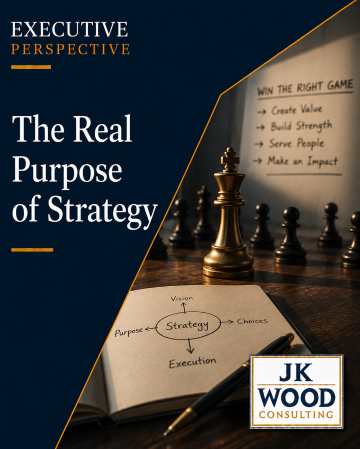
Strategy is often associated with deciding what an organization is going to do.
Where will we grow? Which markets will we pursue? What investments will we make? What capabilities do we need to develop?
Those are important questions.
But I believe an equally important part of strategy is deciding what an organization will not do.
Most organizations have more opportunities than they have resources to pursue effectively. Capital is limited. Leadership attention is limited. Good people have limited capacity. Every new initiative competes with something already underway.
That means strategy requires choices.
Which opportunities truly support where we are trying to go?
Which are attractive but outside our priorities?
What are we willing to stop doing so something more important can receive the attention it deserves?
And perhaps the hardest question:
What are we willing to say no to—even when the opportunity itself is good?
I've seen organizations develop thoughtful strategic plans and then gradually undermine them by continuing to add priorities.
A new opportunity appears. A customer makes a request. Someone has a good idea. Each addition seems reasonable on its own.
Eventually, the strategy becomes a list of everything the organization would like to accomplish rather than a clear statement of where it intends to concentrate its resources.
That is where strategy begins to lose its value.
A useful strategy should help leaders make decisions after the planning session is over. It should provide a framework for evaluating opportunities, allocating resources, and determining what deserves attention.
Just as importantly, it should make some decisions easier to decline.
Saying no can be uncomfortable, particularly when the opportunity in front of you is legitimate.
But pursuing every good opportunity is not strategy.
Choosing which ones matter most—and having the discipline to leave the others behind—is.