
Timing Is a Competitive Advantage
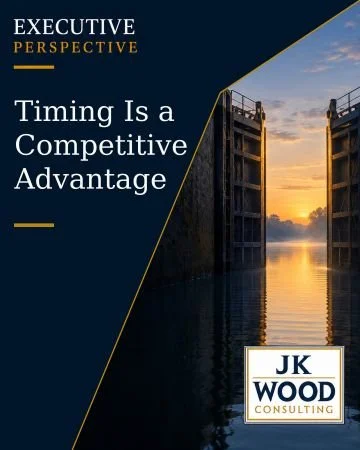
A sound decision can lose much of its value if it is made at the wrong time.
Move too early, and the organization may commit resources before the conditions are ready.
Wait too long, and the opportunity may be gone.
That is why timing is not simply a matter of patience or urgency.
It is judgment.
Leaders have to distinguish between a situation that needs more preparation and one that is being delayed because making the decision feels uncomfortable.
They also need to recognize when additional analysis will improve the outcome and when it is simply postponing action.
The right time is rarely obvious.
But there are useful questions to consider.
What conditions need to be in place before we act?
What information would materially change the decision?
What is the cost of waiting?
And what will happen if we allow the moment to pass?
Those questions help leaders avoid two common mistakes: acting before the organization is prepared and waiting until the decision has effectively been made for them.
Timing becomes a competitive advantage when leaders can see the moment clearly enough to act with purpose.
Not first for the sake of being first.
Not late because more certainty would feel better.
But ready when the opportunity is real.